
www.agritechmag.com
07
'26
Written on Modified on
Automated Batch Milking Infrastructure for Medium to Large Herds
GEA introduces a semi-subway automated group milking solution designed to integrate programmable herd routines with reduced structural requirements in existing facilities.
www.gea.com
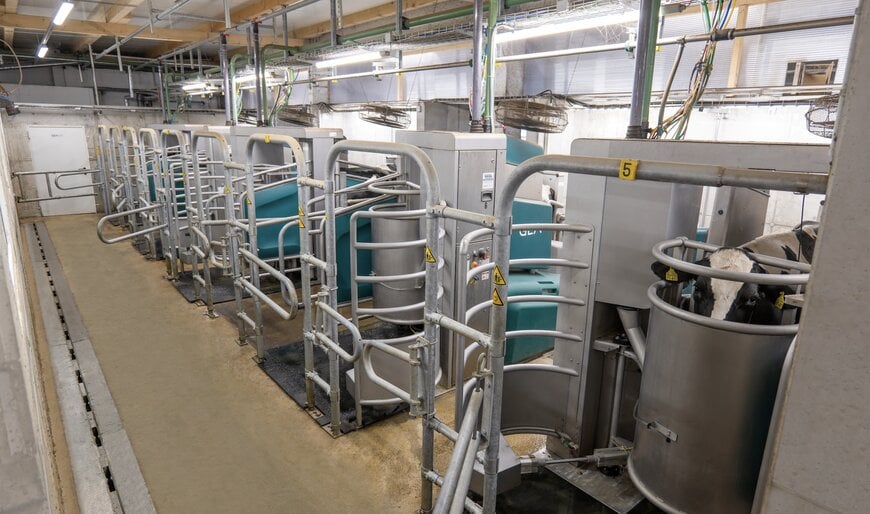
The GEA DairyRobot R9600 expands the batch milking portfolio with a semi-subway installation concept for automated group milking. Source: GEA
GEA is releasing the DairyRobot R9600, a semi-subway installation concept for batch milking aimed at medium to large dairy farms. This automated group milking system combines fixed-schedule milking with a simplified underground structural design, addressing the agricultural automation needs of both new-build projects and modernized facilities.
Predictable Herd Management and Agricultural Automation
Batch milking replaces voluntary individual robotic milking by processing cows in designated groups within strictly defined time windows. This approach retains familiar herd management practices while integrating automated milking technology, allowing farm operators to structure daily routines and coordinate personnel around specific performance groups, such as high-yielding or special-needs cattle. By maintaining predictable schedules, the automated dairy infrastructure standardizes onboarding and training protocols for agricultural facility staff.
Semi-Subway Structural Design Specifications
The semi-subway installation concept minimizes structural prerequisites compared to full-basement milking parlors. The design requires an underground depth of approximately one meter, which can often be accommodated by repurposing existing milking pits during facility conversions. This structural approach routes the milk lines into the simplified underground cavity, while auxiliary peripheral equipment is housed in an independent utility room based on the specific site plan.
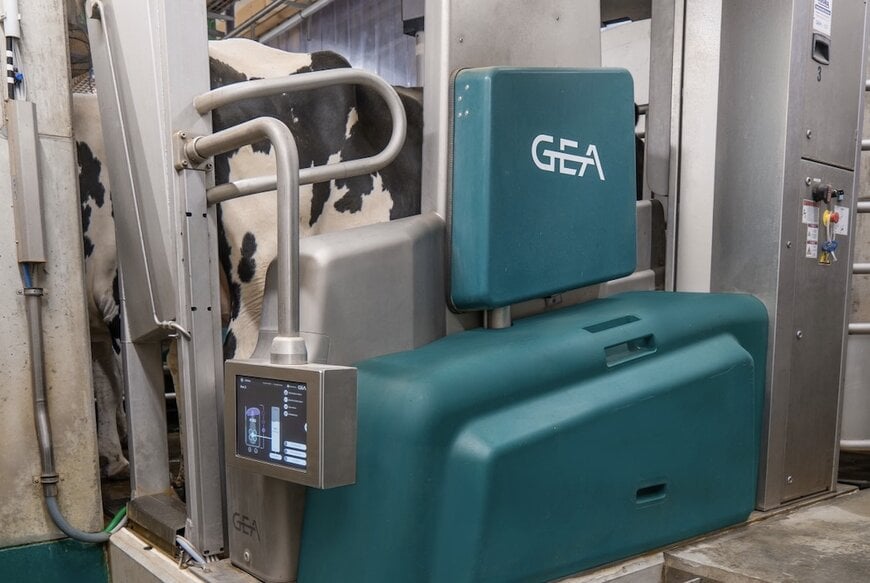
The semi-subway installation concept reduces construction requirements compared with a full-subway solution. It uses a simplified underground structure of about one meter in depth, or an existing pit where suitable, to accommodate the milk lines and house the central receiver unit. Source: GEA
Centralized Receiver Architecture
A core technical element of the system is a centralized receiver unit capable of supporting up to 12 milking boxes simultaneously. Consolidating the technical components—including hygiene and disinfectant supply mechanisms—through a single receiver optimizes maintenance access and lowers the volumetric consumption of water, electricity, and cleaning agents. For facilities requiring full-basement accessibility, the alternative DairyRobot R9650 consolidates all centralized technical units directly beneath the robotic stations.
Further technical specifications and system demonstrations of the automated batch milking portfolio will be exhibited at the EuroTier agricultural trade fair from November 10 to 13, 2026, in Hall 13, booth C25 in Hanover, Germany.
Additional Context
This section details technical specifications and competitive benchmarking not included in the original news release.
In the automated dairy infrastructure market, manufacturers differentiate based on structural requirements, cow flow strategies, and hardware centralization. DeLaval offers automated batch milking capabilities through its VMS V300 system, which utilizes automated robotic arms but typically relies on on-floor installation or traditional routing rather than a specialized semi-subway pit for central line management. Lely’s Astronaut A5 focuses predominantly on free-cow traffic (voluntary milking) rather than fixed-time batch milking, processing approximately 60 to 70 cows per box daily with decentralized equipment modules housed directly within each individual robot chassis.
By contrast, the GEA DairyRobot R9600 specifically targets fixed-time batch management using a centralized receiver handling up to 12 milking boxes. This centralization reduces the per-box hardware footprint and shared resource consumption, but relies on the one-meter sub-level pit for fluid line routing.
Edited by Aishwarya Mambet, Induportals Editor, with AI assistance.
www.gea.com
GEA is releasing the DairyRobot R9600, a semi-subway installation concept for batch milking aimed at medium to large dairy farms. This automated group milking system combines fixed-schedule milking with a simplified underground structural design, addressing the agricultural automation needs of both new-build projects and modernized facilities.
Predictable Herd Management and Agricultural Automation
Batch milking replaces voluntary individual robotic milking by processing cows in designated groups within strictly defined time windows. This approach retains familiar herd management practices while integrating automated milking technology, allowing farm operators to structure daily routines and coordinate personnel around specific performance groups, such as high-yielding or special-needs cattle. By maintaining predictable schedules, the automated dairy infrastructure standardizes onboarding and training protocols for agricultural facility staff.
Semi-Subway Structural Design Specifications
The semi-subway installation concept minimizes structural prerequisites compared to full-basement milking parlors. The design requires an underground depth of approximately one meter, which can often be accommodated by repurposing existing milking pits during facility conversions. This structural approach routes the milk lines into the simplified underground cavity, while auxiliary peripheral equipment is housed in an independent utility room based on the specific site plan.
The semi-subway installation concept reduces construction requirements compared with a full-subway solution. It uses a simplified underground structure of about one meter in depth, or an existing pit where suitable, to accommodate the milk lines and house the central receiver unit. Source: GEA
Centralized Receiver Architecture
A core technical element of the system is a centralized receiver unit capable of supporting up to 12 milking boxes simultaneously. Consolidating the technical components—including hygiene and disinfectant supply mechanisms—through a single receiver optimizes maintenance access and lowers the volumetric consumption of water, electricity, and cleaning agents. For facilities requiring full-basement accessibility, the alternative DairyRobot R9650 consolidates all centralized technical units directly beneath the robotic stations.
Further technical specifications and system demonstrations of the automated batch milking portfolio will be exhibited at the EuroTier agricultural trade fair from November 10 to 13, 2026, in Hall 13, booth C25 in Hanover, Germany.
Additional Context
This section details technical specifications and competitive benchmarking not included in the original news release.
In the automated dairy infrastructure market, manufacturers differentiate based on structural requirements, cow flow strategies, and hardware centralization. DeLaval offers automated batch milking capabilities through its VMS V300 system, which utilizes automated robotic arms but typically relies on on-floor installation or traditional routing rather than a specialized semi-subway pit for central line management. Lely’s Astronaut A5 focuses predominantly on free-cow traffic (voluntary milking) rather than fixed-time batch milking, processing approximately 60 to 70 cows per box daily with decentralized equipment modules housed directly within each individual robot chassis.
By contrast, the GEA DairyRobot R9600 specifically targets fixed-time batch management using a centralized receiver handling up to 12 milking boxes. This centralization reduces the per-box hardware footprint and shared resource consumption, but relies on the one-meter sub-level pit for fluid line routing.
Edited by Aishwarya Mambet, Induportals Editor, with AI assistance.
www.gea.com
