
www.agritechmag.com
14
'26
Written on Modified on
Biological crop protection fermentation facility commissioned
BASF Agricultural Solutions commissions its new BioHub fermentation plant in Ludwigshafen to expand in-house production of biological and biotechnology-based crop protection products.
www.basf.com
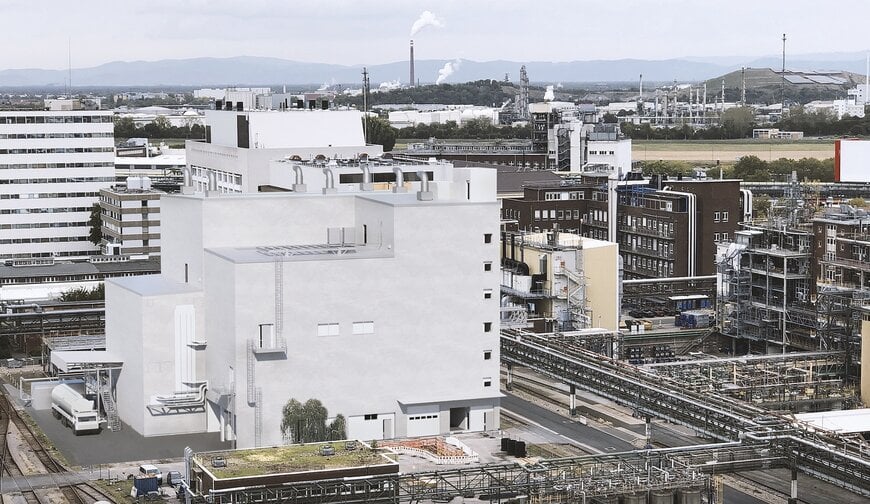
BASF Agricultural Solutions has launched commercial operations at its BioHub fermentation plant in Ludwigshafen to manufacture biotechnology-based crop protection active ingredients.
The cooperation involves the internal industrial-scale manufacturing of biological fungicides and seed treatments using advanced fermentation processes. This technical solution addresses the global demand for sustainable, integrated crop protection programs within the agricultural supply chain.
Integration of Biotechnological Innovation in the Digital Supply Chain
The commissioning of the BioHub represents a strategic shift toward in-house production to enhance the resilience of the digital supply chain. By utilizing microorganisms to convert renewable raw materials, such as glucose, into active ingredients, the facility reduces dependency on external manufacturing tiers. This internal linkage between research expertise and industrial-scale manufacturing allows for the accelerated adaptation of biotechnological innovations to meet evolving regulatory and environmental standards.
Fermentation Processes and Active Ingredient Specifications
The production facility utilizes standardized fermentation mechanisms where specific bacterial and fungal strains are cultivated under controlled conditions. Initial production cycles have successfully synthesized the bacterium Bacillus amyloliquefaciens, which serves as the biological basis for specialized fungicides. Additionally, the plant produces the primary building block for insecticides derived from the fungal strain Penicillium coprobium. These biological solutions are designed to be integrated into conventional farming practices, providing measurable alternatives or complements to synthetic chemical applications.
Investment and Infrastructure Scaling
The project involved an investment in the high double-digit million-euro range, reflecting the technical complexity required for high-precision biotechnology environments. By bringing these processes in-house, the facility improves execution excellence and operational flexibility. This infrastructure supports the agricultural industry's transition toward integrated pest management by ensuring a consistent supply of biological active ingredients that meet stringent quality and efficacy benchmarks.
Additional Context
This section details technical specifications and competitive benchmarking not included in the original product announcement.
In comparison to competitors such as Corteva Agriscience or Bayer Crop Science, which also invest in biological solutions, the BioHub facility provides deeper vertical integration through in-house fermentation. While many market participants rely on Contract Manufacturing Organizations (CMOs), the Ludwigshafen site allows for direct technical control over strain purity and fermentation yield. Technical benchmarks indicate that the application of Bacillus amyloliquefaciens in integrated programs measurably reduces residue levels on produce, aligning with the requirements of the EU Sustainable Use of Pesticides Regulation (SUR). Furthermore, unlike conventional chemical synthesis plants, the fermentation process at BioHub reduces the energetic footprint per ton of active ingredient by utilizing low-temperature processing mechanisms.
Edited by Romila DSilva, Induportals Editor, with AI assistance.
www.basf.com
