
www.agritechmag.com
17
'26
Written on Modified on
BASF invests €40 million in next-generation seed facilities in Nunhem, Netherlands
Modernised facilities in Nunhem will increase processing capacity, improve quality control, and support global vegetable seed supply using energy-efficient operations.
www.basf.com
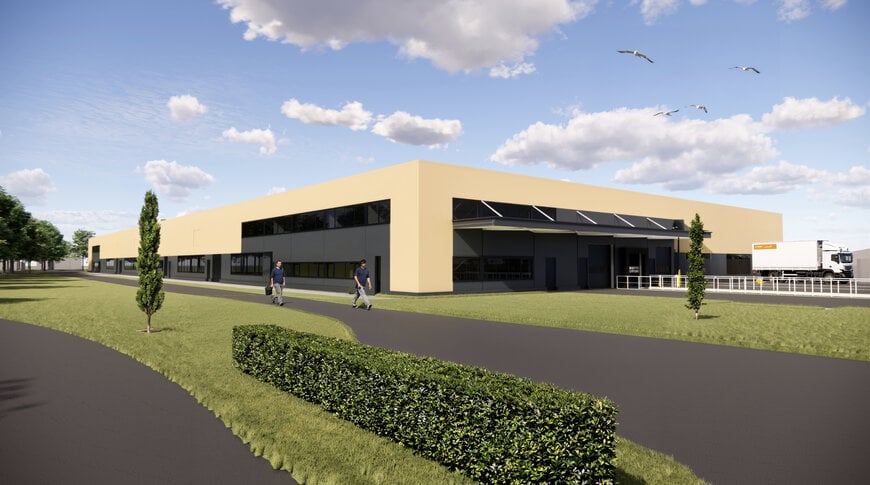
Agriculture, horticulture, and seed technology sectors require consistent, high-quality inputs to ensure crop performance under changing climate and labor conditions. BASF Agricultural Solutions is addressing these needs with a €40 million investment in next-generation seed processing facilities at its Nunhem headquarters in the Netherlands, combining expanded capacity, upgraded processing technologies, and renewable energy integration.
The project, scheduled to begin construction in the second quarter of 2026 and reach completion by the end of 2028, is designed to strengthen the company’s global vegetable seed supply chain. The site plays a central role in handling seeds produced across BASF’s international network, which are shipped to Nunhem for cleaning, processing, testing, and preparation prior to global distribution.
Expanded processing capacity and infrastructure
The existing processing footprint of approximately 20,000 m² will be increased by around 6,000 m². The investment includes the renovation of two existing buildings, upgrades to current operational areas, and the construction of new processing facilities. These upgrades are intended to improve throughput and operational efficiency in seed handling processes.
The new infrastructure will incorporate advanced equipment for seed storage, packaging, and logistics. Improved process control is expected to enhance consistency in seed quality while supporting higher volumes. In parallel, expanded testing capabilities will enable high-capacity quality assurance, ensuring seeds meet defined germination, purity, and performance standards before shipment.
Supporting agricultural resilience and crop performance
The processed seeds include a portfolio of approximately 1,200 varieties across 20 crops, such as tomatoes, onions, and carrots. These varieties are developed to address agronomic challenges including drought stress, heat tolerance, disease resistance, and labor constraints in harvesting and cultivation.
The ability to process and validate seeds at scale is critical for maintaining uniform crop performance in commercial agriculture. For example, consistent seed quality supports precision planting systems, reduces variability in germination rates, and improves yield predictability in both open-field and controlled-environment agriculture.
Integration of renewable energy for processing operations
Once completed, the Nunhem facilities will operate entirely on renewable energy. This transition is expected to reduce the carbon footprint of seed processing operations while improving overall energy efficiency. For industrial seed processing, which involves cleaning, drying, and conditioning processes, energy consumption represents a significant operational factor.
By integrating renewable energy sources, the facility aligns with broader industry efforts to reduce emissions across agricultural supply chains while maintaining high processing performance.
Continuous introduction of new seed varieties
The upgraded facilities will support the annual introduction of approximately 80 to 100 new vegetable seed varieties developed using conventional breeding methods. This steady pipeline requires scalable processing and testing infrastructure to ensure timely market availability and compliance with quality standards.
In this context, the modernization project addresses both current demand and future growth, ensuring that processing capabilities keep pace with increasing varietal diversity and global distribution requirements.
Edited by Natania Lyngdoh, Induportals Editor — Adapted by AI.
www.basf.com
